
Henrik Larsen isn’t your typical project coordinator. His journey to leading BAG-INTEL is a testament to his belief that complex research can, and should, have a tangible impact on the world. As the founder of Legind Technologies, a spin-off from his distinguished academic career, Henrik has dedicated his life to bridging the gap between theoretical computer science and real-world security challenges.
“For years, my research focused on advanced intelligence and security solutions, everything from artificial intelligence and data fusion to risk assessment,” he says. “I led the Computational Intelligence and Security Lab (CISLab) at Aalborg University, and while the work was groundbreaking, I always wanted to see it move beyond the lab and into the hands of people who could use it to make a significant difference.”
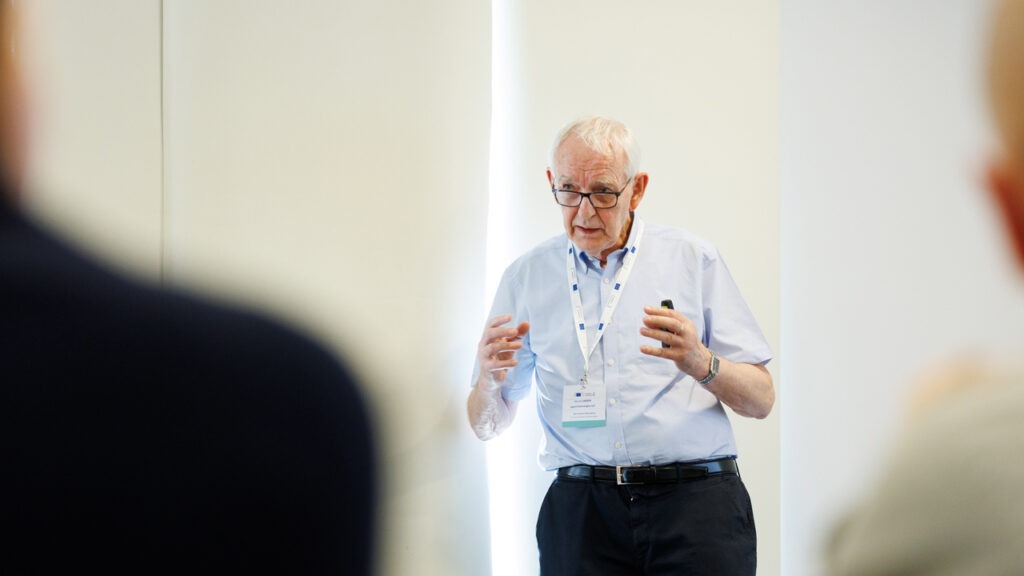
The Spark Behind BAG-INTEL
The idea for BAG-INTEL came from this desire to translate research into impact. The project aims to tackle a very specific and significant challenge at the heart of customs operations: the resource-intensive process of re-identifying suspicious luggage. The current manual tagging system is not only a logistical headache but can be a security vulnerability. For Henrik, the project is about providing a better tool to the people on the front lines. “It’s about empowering customs officers with a solution that is completely non-intrusive and highly effective,” he explains. “By eliminating the need for physical tags, we’re allowing them to focus on their primary mission: detecting and stopping contraband.”
“But solving such a complex problem is not something that a single organization can solve alone,” Henrik explains. “That’s why we brought together a unique consortium of 24 partners from eight different countries. Our multidisciplinary team consists of industrial players, research institutions, ministries, and customs and tax authorities. This diversity of expertise is what makes BAG-INTEL so special.”
The consortium was carefully assembled to ensure every aspect of the challenge is addressed—from the technical development of new tools to the practical implementation on the ground. This collaborative spirit, according to Henrik, is the secret ingredient that will drive the project’s success.
A Day in the Life of the BAG-INTEL Project Coordinator
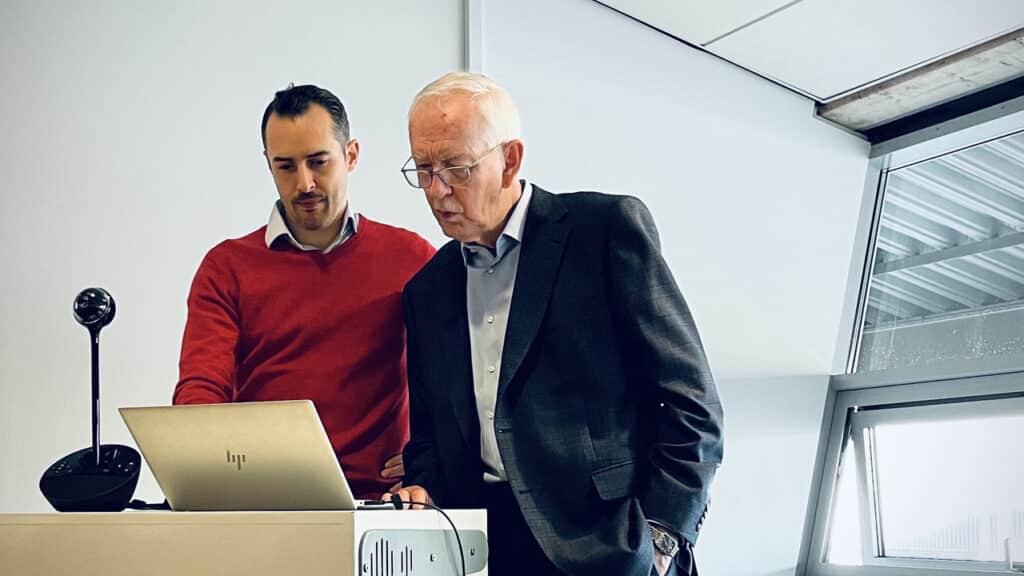
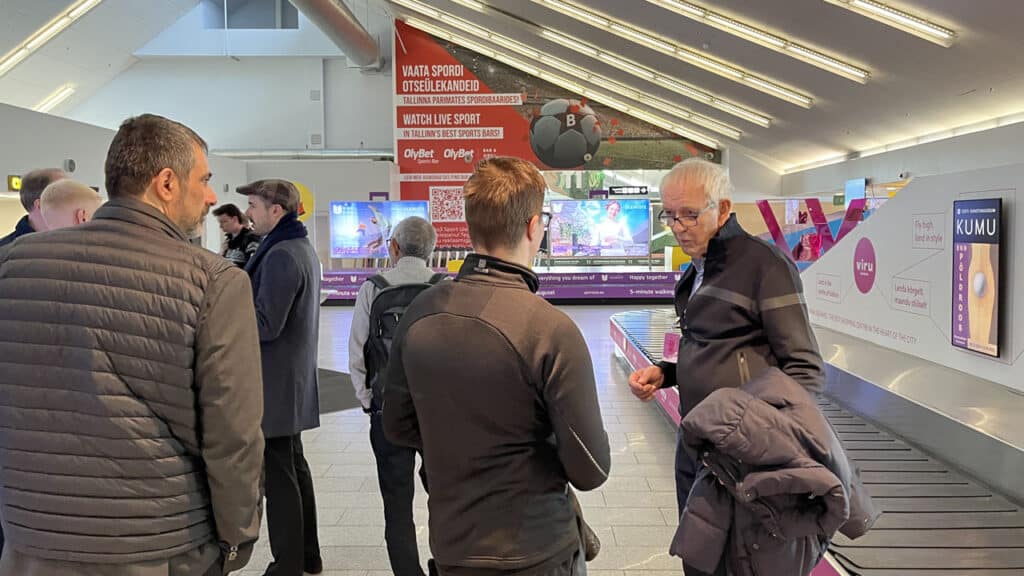
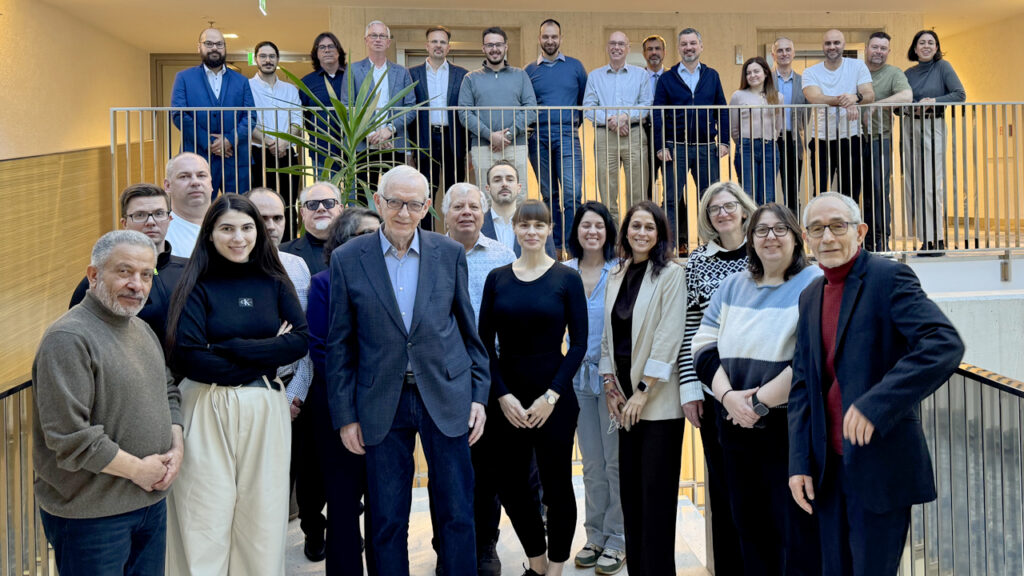
As coordinator of the BAG-INTEL project, Henrik’s daily work is a lively mix of strategic oversight and hands-on problem-solving. With 24 partners spread across Europe, his role is to keep everyone aligned and working toward the same ambitious goals.
“A big part of my job is strategy, planning, and communication,” he explains. “It’s about guiding the overall direction, managing by exception, and tackling unexpected challenges so that the project stays on track. It’s a balancing act—but an incredibly rewarding one when we see real progress.”
What drives him is the tangible impact of the project’s mission. “Developing and deploying innovative technologies to combat the flow of illegal goods entering the EU by land, sea, or air is what gets me out of bed every morning,” says Henrik. “It’s both a challenge and an opportunity—and it’s inspiring to be part of it.”
The Future of Impact
BAG-INTEL is a three-year Horizon Europe Research and Innovation Action that began in September 2024. As the project progresses, Henrik is confident that the consortium will not only develop powerful new solutions but also forge lasting partnerships that will continue to benefit European security. “The ultimate goal is to see our innovative technologies at airports across Europe, ” he says. “This is just the beginning. We’re not just building an effective tool; we’re building a legacy of effective collaboration.”