
Bringing the vision of the BAG-INTEL project to life is Georgios Bardas, the project’s Technical Coordinator and Senior AI Engineer at Netcompany SA. While the project is a collaborative effort of 24 partners, Georgios’s role is a critical one: serving as the central architect who helps to bridge the gap between groundbreaking AI technologies and the real-world needs of customs officers. He and his team are the technical backbone, ensuring that the innovative technologies from various BAG-INTEL partners come together into a unified, cohesive, and effective platform.
“Our goal is to ensure that all the different components work together seamlessly,” Georgios explains. “We’re building a system that acts as a central nervous system for customs operations, delivering real-time alerts and actionable insights directly to the dashboards of customs officers.”
As Technical Coordinator, Georgios and his team at Netcompany have undertaken the critical roles of Technical Coordinator and System Integrator. They are also leading the Use Case Requirements, Framework Architecture, and System Integration Work Package. This foundational work ensures that the complex BAG-INTEL platform, which combines various technologies, functions as a single, powerful tool for customs authorities, in real-time.
The Operational Pipeline: A Story of a Bag’s Journey
The BAG-INTEL project’s operational pipeline tracks a suspicious bag through four distinct stages, or “timestamps.” Georgios’s work is essential to this journey, as he and his team ensure the seamless flow of data and communication between the different systems at each step. They are the ones who make it possible for the separate components, developed by various partners, to speak to one another in a unified language, providing continuous surveillance and data to customs officers.
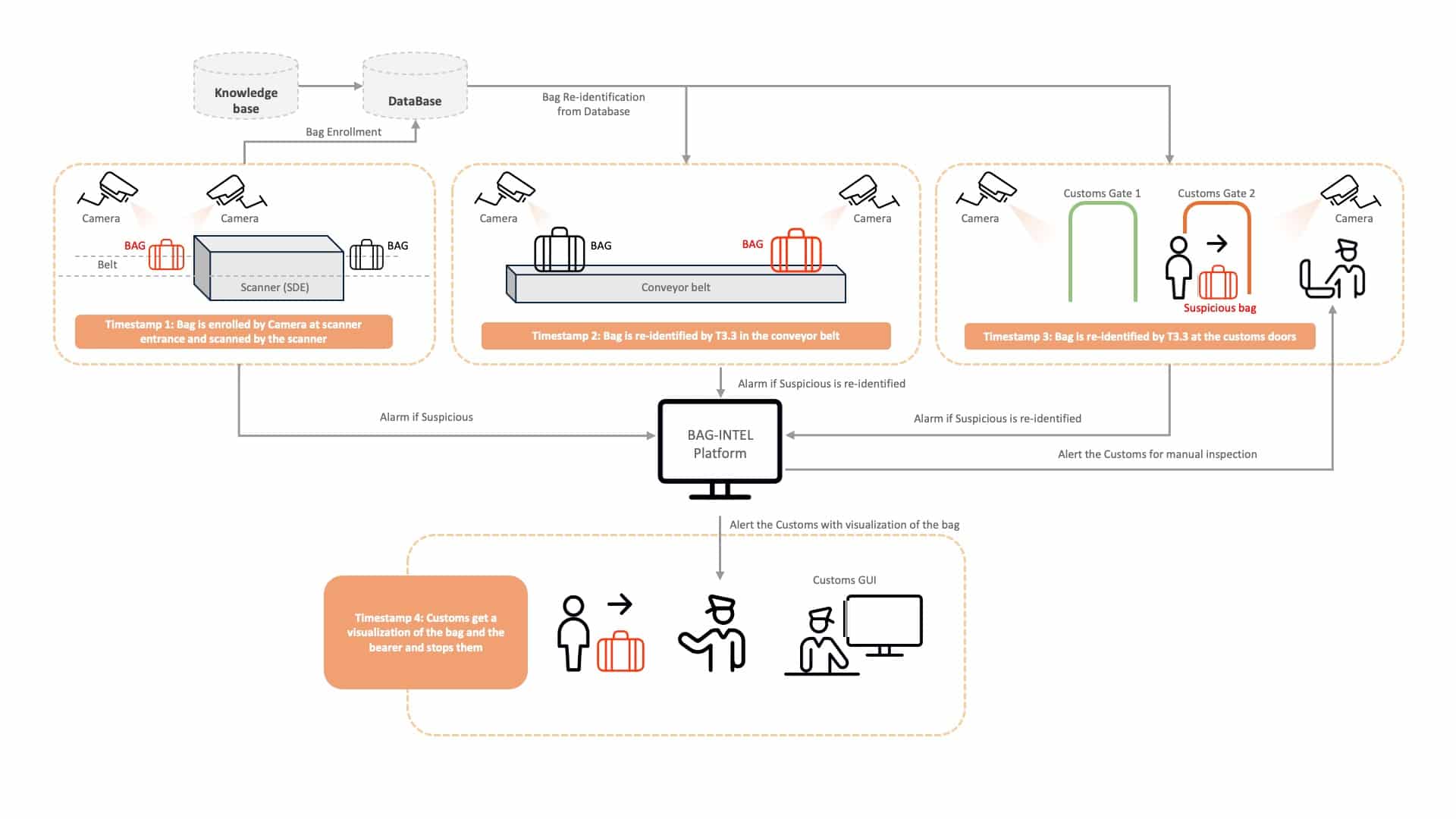
- Timestamp 1: The bag’s journey begins with its enrollment via cameras at the scanner entrance, where it is scanned and its unique digital signature is captured.
- Timestamp 2: If the scanner flags a bag as suspicious, it is re-identified as it moves along the conveyor belt.
- Timestamp 3: Once a passenger claims the bag from the carousel and approaches the customs gate, the system performs a final re-identification.
- Timestamp 4: Throughout all these stages, customs staff receive real-time alerts that visualize the suspicious bag’s journey, enabling them to make informed and timely decisions about manual inspection.
This streamlined process is the direct result of Netcompany’s leadership in defining the communications behind the System’s Integration. Their agile, modular approach ensures that each software component is exhaustively tested before being integrated into the larger system. This commitment to a continuous integration and delivery (CI/CD) framework guarantees that the platform is not only robust but also constantly improving based on feedback from pilot airports.
A Focus on Impact
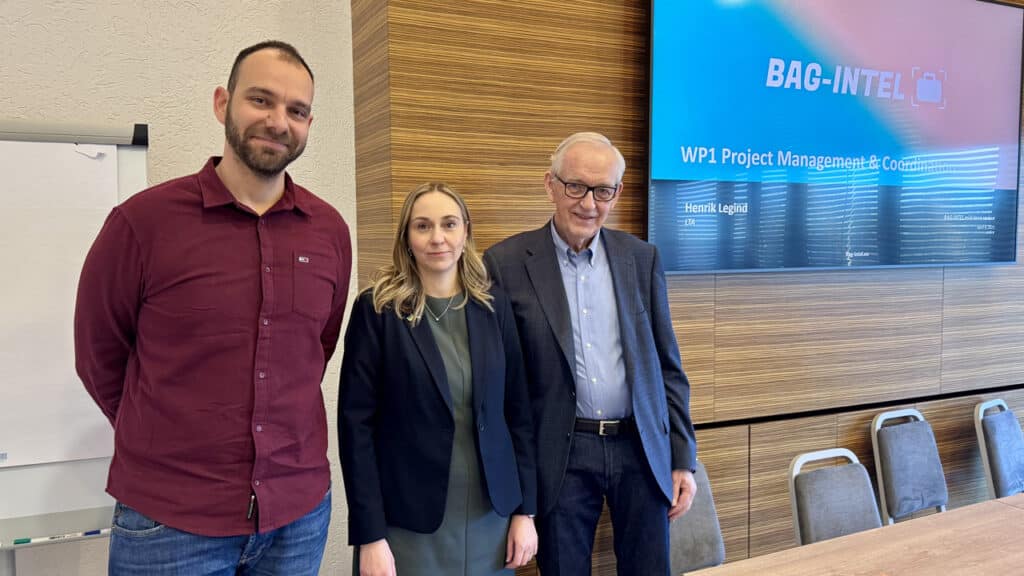
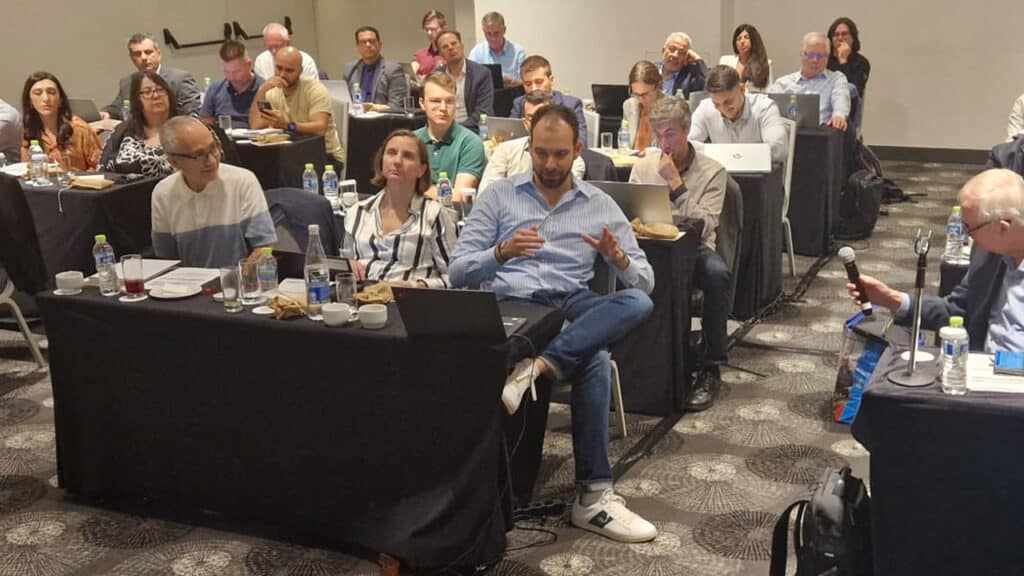
For Georgios, the project is about more than just a technical challenge. It’s about building a scalable, secure, and efficient solution that has a tangible impact on border security. The proactive and iterative approach taken by the technical team ensures that the end solution is reliable and genuinely useful to the people on the front lines. Their work is a vital piece of the puzzle that turns a grand vision into a working reality.