
Imagine standing in the arrivals level of Thessaloniki “Makedonia” Airport (SKG). Luggage moves steadily across conveyor belts, passengers flow toward customs, and behind the scenes, an entire ecosystem of systems, sensors, and people works in synchrony to keep the airport safe and running smoothly.
For our project partner Fraport Greece, BAG-INTEL’s Use Case II has been a journey of coordination, technical deployment, problem‑solving, and real‑world demonstration – all in one of Greece’s busiest international airports. This story talks about how they helped bring the BAG‑INTEL vision to life at SKG: from installation and data collection to orchestrating a full system demonstration that connected AI models, IoT devices, and advanced scanning technologies.
Preparing the Ground: Cameras, Cabling, and GDPR‑Compliant Data Collection
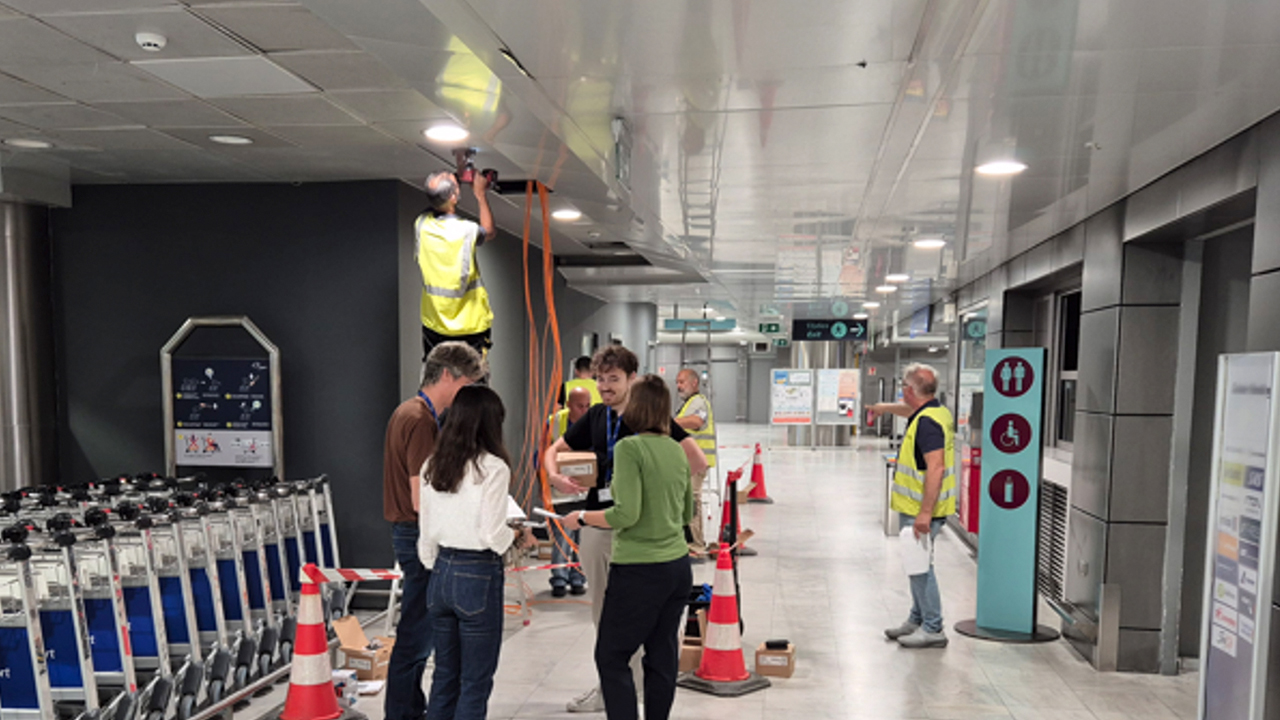
Their complex work began with one of the most critical tasks for BAG‑INTEL: installing cameras and collecting high‑quality video data, essential for training the project’s AI models.
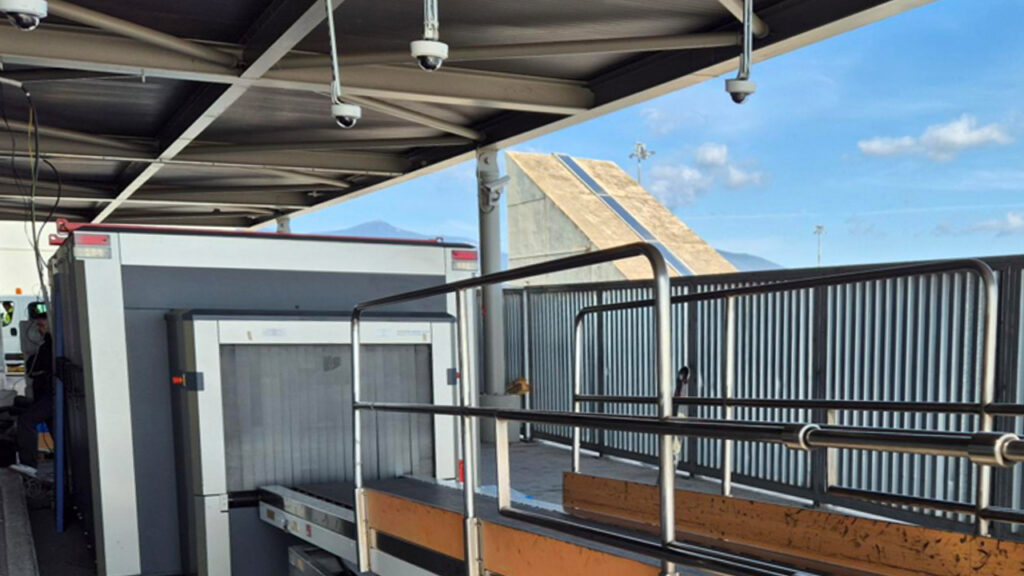
In September 2025, Fraport Greece coordinated on‑site operations for cabling works across three airport zones, camera mounting and alignment, and network and power readiness checks. The cameras were strategically placed across three areas:
- External Area – where luggage first appears
- Baggage Claim Conveyor Belt – where re‑identification becomes essential
- Customs Inspection Area – the main checkpoint for decision support
The footage collected from these areas became the training ground for the core AI systems of BAG‑INTEL:
- The Luggage Detection Model, trained to identify bags in busy, dynamic airport environments
- The Luggage Re‑Identification Model, trained to track the same bag across different cameras
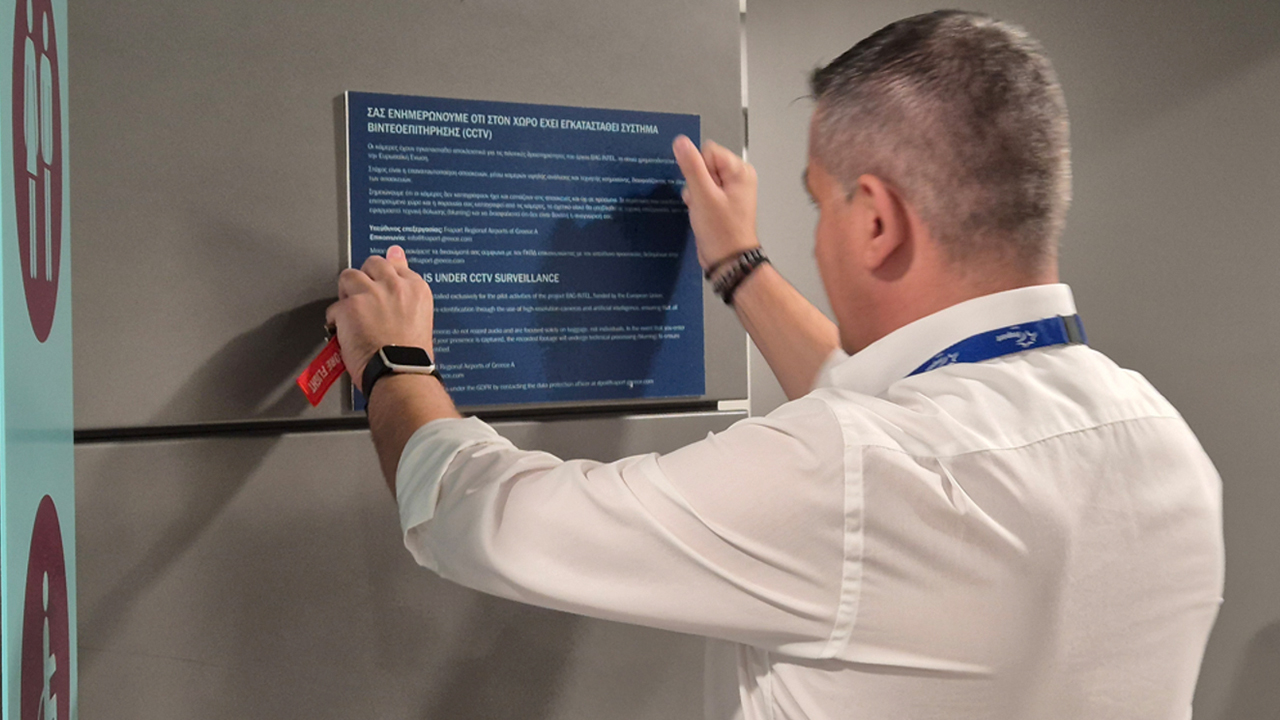
The team worked in close collaboration with Fraport Greece’s legal and GDPR teams to ensure the process met all privacy and compliance requirements. Every step – from signage to storage – followed strict data governance rules.
Preparing for the March Demonstration: Where Planning Met Reality
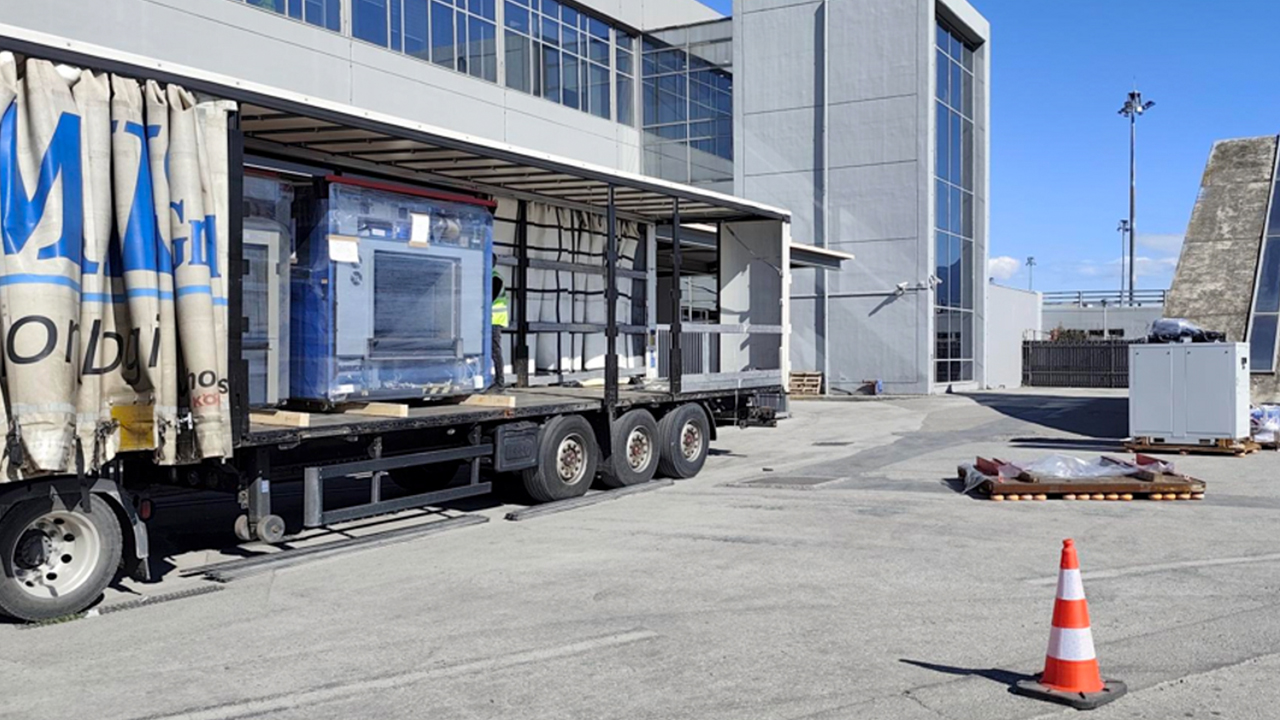
Leading up to the full demonstration, the team drove a demanding list of tasks, synchronising stakeholders, aligning timelines, adapting to airport constraints, and ensuring every subsystem was tested, calibrated, and verified.
- Selecting the most suitable area for the demonstration that meets the project’s requirements without disrupting the live operational activities
- Ensuring network and infrastructure readiness across all involved zones
- Taking into account the feasibility study results for the installation of the XCT scanner
- Supervising on‑site preparations for an additional conveyor belt, offered by a ground handling company to feed luggage smoothly into the XCT scanner
- Coordinating with customs officers, police representatives, airport operations, IT teams, and project partners
- Validating that all subsystems, AI models, cameras, XCT scanner could integrate into a unified architecture
The March 2026 Demonstration: When Everything Came Together
The real‑life demonstration at SKG showcased the fully integrated BAG‑INTEL system:
- Cameras and IoT infrastructure working in parallel
- AI detection and re‑identification models running on live streams
- The XCT scanner feeding high‑resolution data into the architecture
- The digital twin visualising system interactions
- The decision support tool combining all information into actionable insights
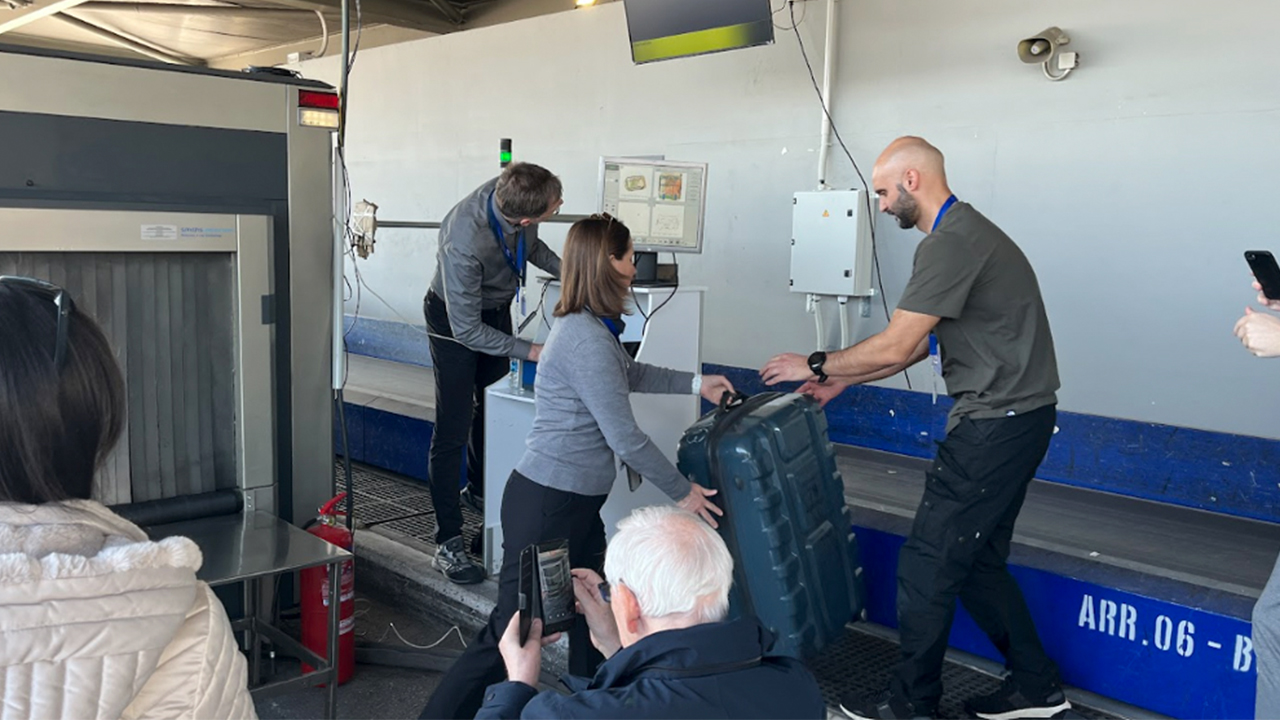
For the first time, all these elements operated together within a live airport environment. Luggage was tracked across zones identified by multiple cameras and scanned using advanced technology, demonstrating how BAG‑INTEL can support customs authorities with greater efficiency and intelligence.
This milestone validated months of preparation, data collection, stakeholder coordination, and on‑site work.
The Outcome: Bringing AI Into Airport Reality
To understand what the system achieves, picture a bag moving through the four distinct stages of the BAG-INTEL operational pipeline:
- Enrollment: The bag’s journey begins at the scanner entrance, where cameras capture its unique digital signature.
- Detection & Scanning: As the bag enters the external area, the detection model picks it out from the scene. The bag then passes through the XCT scanner, which provides detailed volumetric imaging that complements the camera‑based tracking.
- Re-Identification: If the scanner flags the bag as suspicious, the re-identification model recognizes and tracks it as it moves along the conveyor belt carousel.
- Customs Checkpoint: Once a passenger claims the bag and approaches the customs gate, a final re-identification occurs. Camera tracking provides a complete picture of the bag’s journey directly to the decision support tool.
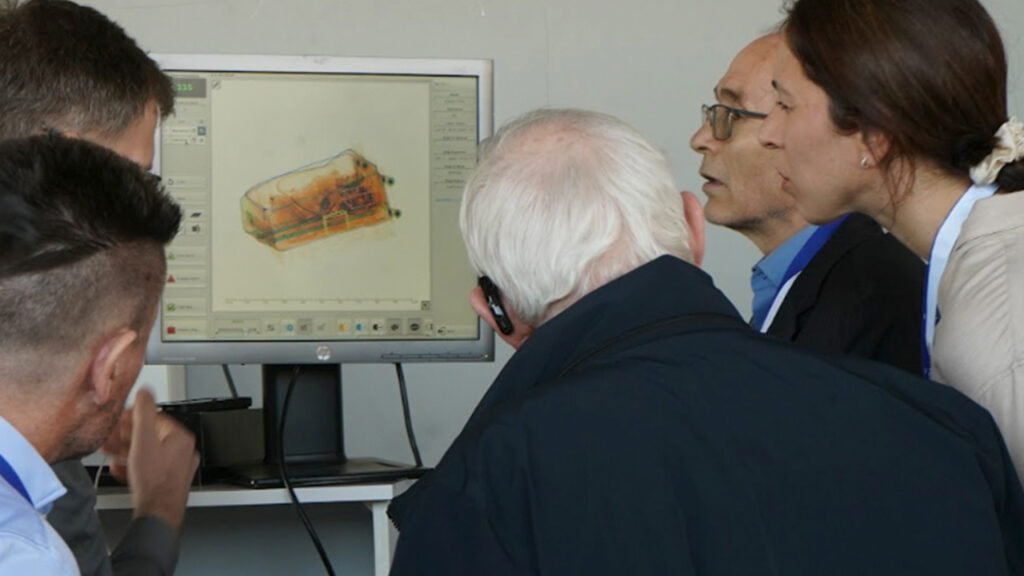
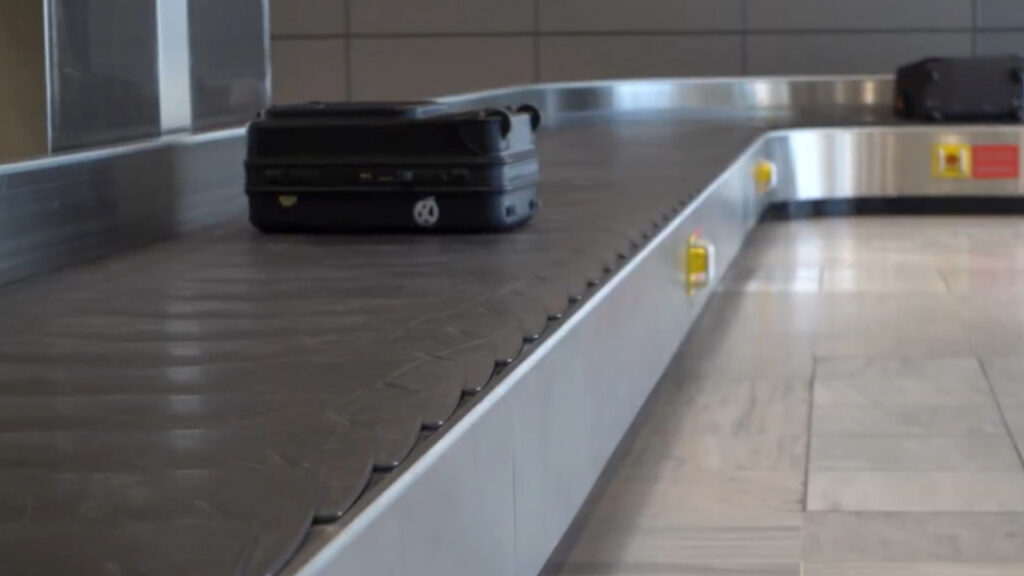
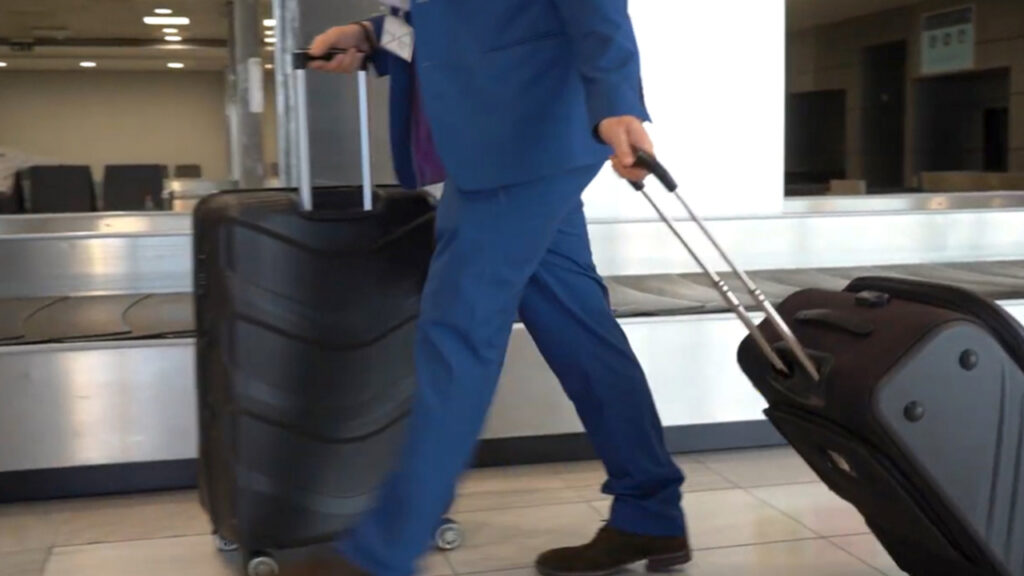
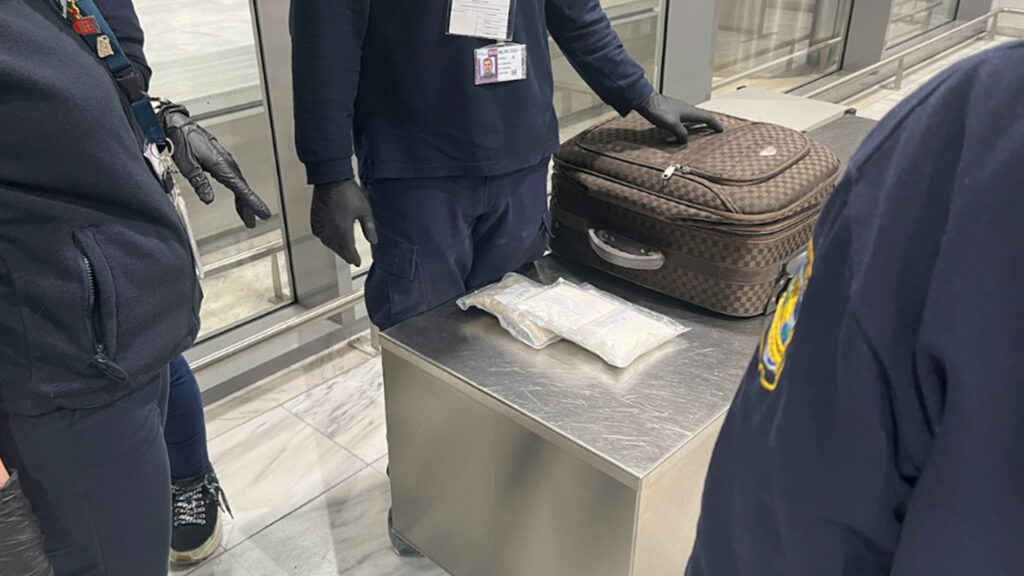
Throughout these stages, customs and police officers receive real-time alerts visualising the suspicious bag’s journey, enabling them to make faster, more confident decisions regarding manual inspections.
This seamless hand‑off—from conveyor belts and cameras to AI and scanning—was the core of what the team successfully demonstrated during the pilot in March 2026.
Lessons Learned in a Live Airport Environment
The experience of demonstrating an R&D project in a live airport environment highlighted several important lessons for Fraport Greece:
- Infrastructure realities always challenge theoretical plans.
- Οff‑peak work windows are difficult to find and precious.
- Close collaboration with legal teams for GDPR compliance is essential.
- Backup data collection paths prevent delays in AI model training.
- A common vision such as the operational efficiency promoted by BAG-INTEL is the best way to engage diverse stakeholders.
Watch the video of the conducted testing here