
As BAG-INTEL comes to an end, attention is turning to what happens next. Over the past three years, the project has developed a set of AI-based tools to help customs officers do something genuinely difficult: identify suspicious bags among the vast number of bags processed at airports, without slowing down the overall process. Now that the research phase is wrapping up, the project’s partners are focusing on how these solutions can be further validated, deployed, and ultimately brought into real-world use.
That answer rests on four Key Exploitable Results (KERs), each with a defined pathway for further validation, deployment, licensing, and long-term support by customs authorities, airports, and technology providers in the years ahead. Bringing that vision together has been DBC’s responsibility, leading the project’s exploitation work in close collaboration with all partners across the consortium and ensuring that the research does not simply end when the funding does.
Four Solutions Moving Toward Deployment
The first provides customs officers with real-time support when deciding which bags warrant a closer look. It brings together evidence from external data sources and patterns of suspicious connections, combining them into a structured and traceable risk assessment that supports the officer’s final decision. The intention has always been to support an officer’s judgment rather than replace it, and this focus on traceable, defensible decisions is an important part of what could make the solution attractive to authorities considering adoption.
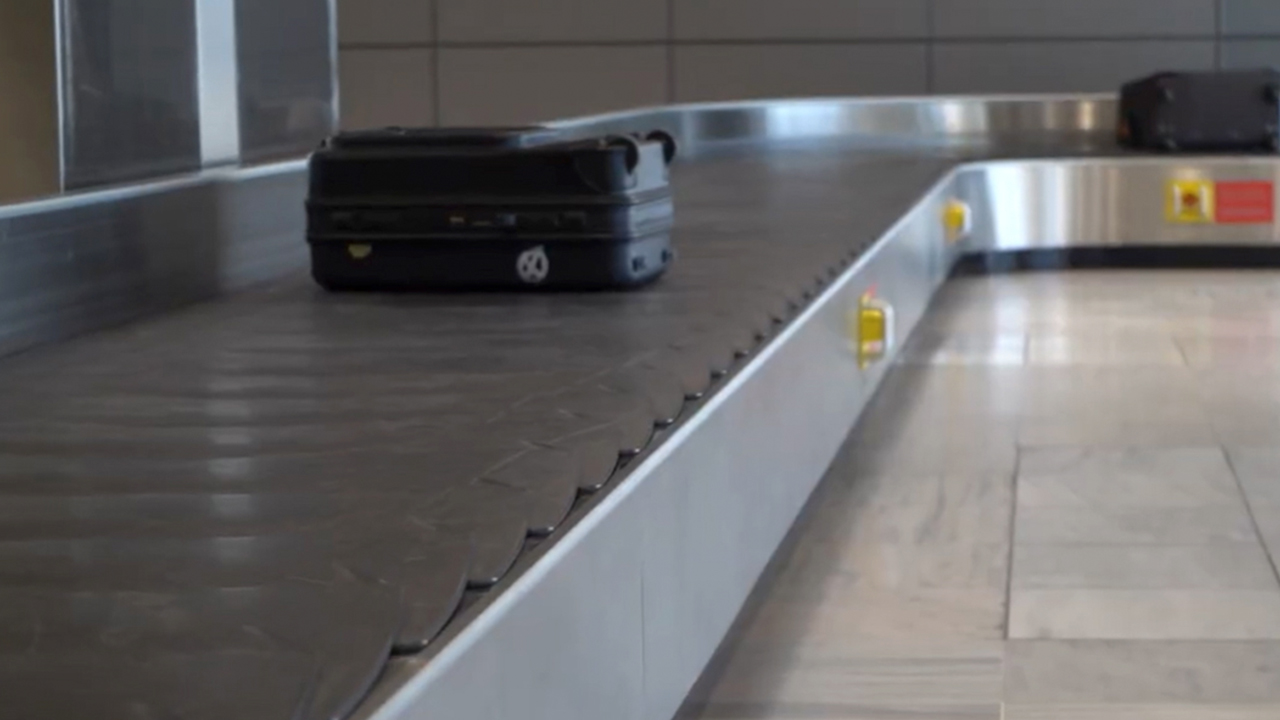
The second tackles a more technical but equally practical problem: once a bag has been flagged during scanning, how do you find it again when it is back on the carousel among hundreds of others? BAG-INTEL’s answer is a camera-based system that recognizes the same bag later in its journey using computer vision, with no physical tags or visible markers required.
The third strengthens the scanning process itself by pairing high-resolution imaging with AI-assisted detection algorithms designed to identify suspicious materials and objects, including selected contraband categories such as narcotics, while supporting efficient screening throughput.
The fourth is what holds the rest together, and it is likely to be central to how BAG-INTEL is adopted after the project ends. It covers the data integration, simulation tools, and secure IT infrastructure needed to bring everything into one working system: a digital twin for testing operational “what if” scenarios, a knowledge graph connecting different data sources, and secure deployment practices designed for compliance and resilience over time.
Importantly, these are not treated as four isolated products. Their greatest exploitation potential lies in combining them as modular, interoperable components of a wider customs-control ecosystem. Depending on an authority’s needs and existing infrastructure, individual capabilities can be introduced progressively, while the full BAG-INTEL approach brings detection, risk assessment, decision support, luggage re-identification, and secure deployment into a single operational chain.
From Project Results to Deployed Systems
As the project closes, the partners’ attention now turns to converting these four results into solutions that customs authorities and airports can procure and operate. The expected routes to market include software licensing, integration and customization services, training, and ongoing maintenance, much of it delivered through system integrators that already work with airports and border authorities on similar modernization programs.
Because customs data can be highly sensitive, many deployments are likely to favor on-premises or hybrid configurations under the control of the relevant authority. Service-based models may also be viable where legal, security, and data-governance requirements allow.
Keeping Momentum After the Project Ends

The end of the project does not mean the end of engagement. The post-project roadmap calls for continued collaboration with customs officers and authorities who can pilot and validate the tools; airport operators and IT teams who would need to integrate them into existing infrastructure; regulators and policymakers whose rules they must operate within; and standardization bodies that can help ensure the solutions work consistently across different airports and countries.
At the same time, the use of AI in border control raises questions that extend beyond the technology itself. Travelers have a legitimate interest in understanding how these systems are used, making human oversight, data protection, and proportionality important considerations for any future deployment.
For BAG-INTEL, the end of the project is therefore not the end of the journey. The research and development phase may be coming to a close, but the next step is to turn the results into solutions that can be tested, adopted, and ultimately put to work in real-world customs environments.